Elegant Rose Dividers for Wedding Stationery & Design
There's a moment in every design project where you realize the small details make the biggest difference. You've chosen your fonts, settled on a color palette, and drafted the core content—but something feels incomplete. The layout needs breathing room, a visual cue that guides the eye from one section to the next without disrupting the aesthetic flow you've worked so hard to create. That's where thoughtfully crafted decorative elements step in, transforming a flat composition into something that feels polished and intentional.
Why Floral Separators Remain a Design Staple
Floral motifs have anchored visual communication for centuries, and for good reason. They evoke emotion, suggest elegance, and carry cultural associations with celebration, growth, and beauty. In the context of wedding stationery and event branding, rose-themed dividers occupy a particularly beloved space. They signal romance without being overly saccharine, and their organic curves soften layouts that might otherwise feel rigid or corporate.
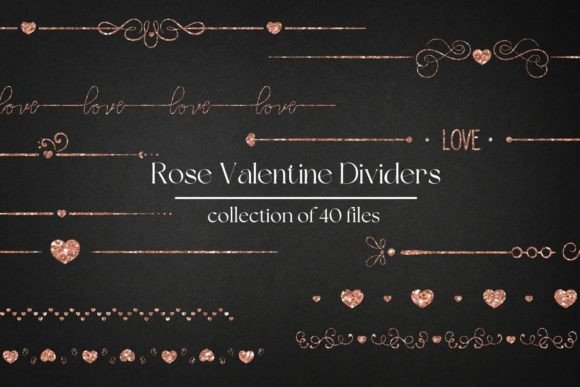
The set of 40 rose divider elements—each sized at 1900 by 120 pixels with a transparent background—offers a practical toolkit for designers who need versatile decorative assets. Because every element is saved individually as a high-resolution PNG file at 300 dpi in RGB colorspace, they're ready for both digital and print applications. That means no awkward cropping, no background removal headaches, and no resolution loss when you scale up for larger formats like banners or signage.
Practical Applications Across Industries
Wedding dividers and rose dividers aren't limited to invitation suites, though that's certainly their most natural habitat. Consider how a subtle floral separator can elevate a restaurant's menu design, break up long-form blog content, or add visual interest to an Instagram carousel. Here's where these elements genuinely shine:
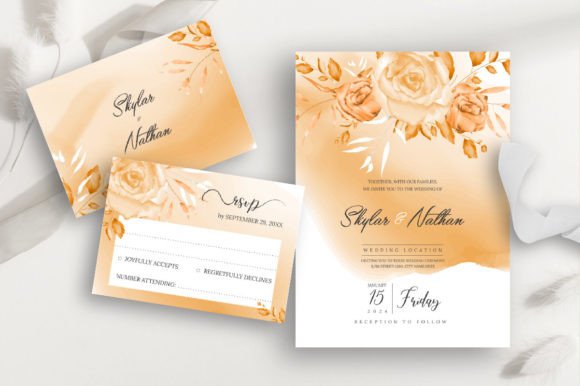
- Wedding stationery: Save-the-dates, invitations, RSVP cards, menu cards, ceremony programs, and thank-you notes all benefit from consistent decorative framing.
- Brand identity systems: Boutiques, florists, jewelry designers, and lifestyle brands can weave rose dividers into their visual language for a cohesive look across packaging, business cards, and website headers.
- Social media content: Bloggers and content creators frequently need visual breaks in quote graphics, announcement posts, and story templates. A rose divider adds polish without competing with the message.
- Digital products: If you sell printable planners, journals, or educational worksheets, decorative separators help organize content while maintaining an attractive aesthetic that justifies the purchase price.
- Editorial layouts: Magazine spreads, lookbooks, and e-books use ornamental dividers to signal transitions between chapters, featured products, or interview segments.
- Merchandise and print-on-demand: Because these elements are print-ready at 300 dpi, they work beautifully on tote bags, mugs, t-shirts, and other physical products sold through platforms like Etsy or Redbubble.
Matching Decorative Elements to Your Project Goals
Not every divider suits every project. A dense, highly detailed rose garland might overwhelm a minimalist brand, while a single-stem accent could feel too sparse for a luxurious wedding suite. The advantage of working with a collection of 40 individual elements is the range it provides. You can experiment with different densities, symmetries, and compositions until you find the right balance for your specific context.
Think about the emotional tone you're trying to set. A symmetrical arrangement of blooming roses reads as formal and traditional—perfect for black-tie events or heritage brands. An asymmetrical vine with trailing leaves feels more organic and contemporary, better suited to bohemian weddings or artisan product lines. Some projects call for a single horizontal line punctuated by a small rosebud at the center; others need a full border treatment that frames content on multiple sides.
Font pairing also plays a role here. If your primary typeface is a flowing script, you'll want dividers that complement rather than compete with those letterforms. A clean sans-serif heading paired with a rose separator creates an appealing contrast—modern typography meets classic ornamentation. Serif fonts, especially those with moderate contrast and elegant proportions, tend to harmonize naturally with floral motifs because both share an appreciation for traditional craftsmanship.
Improving Visual Consistency and Brand Recognition
One of the most overlooked benefits of using a cohesive set of decorative assets is the consistency it brings to multi-platform branding. When your wedding website features the same rose dividers as your printed programs, your social media announcements, and your thank-you cards, guests experience a unified visual story. That consistency builds recognition and communicates professionalism—even when the budget is modest.
For small business owners, the principle applies equally. A bakery that uses rose separators on its packaging labels, its Instagram stories, and its printed menus creates a recognizable aesthetic that customers associate with quality and care. It's a subtle form of brand architecture that doesn't require a massive investment in custom illustration.
Working with Transparent PNGs for Maximum Flexibility
The transparent background format is worth emphasizing because it directly impacts your workflow efficiency. When you drop a rose divider onto any colored background—whether that's a textured paper, a gradient wash, or a photograph—it integrates seamlessly. There's no white box sitting awkwardly on top of your design, no need to manually erase edges or apply blend modes. The element simply sits where you place it.
At 300 dpi, these files also hold up under professional printing standards. Whether you're sending files to a local print shop or uploading to a print-on-demand service, the resolution ensures crisp edges and smooth curves. The RGB colorspace is standard for digital-first workflows, and most modern print services handle the conversion to CMYK automatically—though it's always worth doing a test print if color accuracy matters to your project.
Commercial Use and Licensing Considerations
For designers and entrepreneurs who create work for clients or sell finished products, licensing terms matter as much as aesthetics. Elements that allow commercial use let you incorporate rose dividers into client projects, sell printed merchandise, or include them in digital product offerings without legal ambiguity. Always review the specific license attached to any design asset before incorporating it into revenue-generating work, but sets marketed toward small business owners and creators typically accommodate these use cases.
The value proposition is straightforward: instead of commissioning custom floral illustrations—which can cost hundreds of dollars and take days to complete—you get a ready-made library of decorative elements that cover the most common layout needs. For a wedding planner building a template suite to sell on Etsy, or a blogger designing a cohesive content series, that kind of efficiency translates directly into saved time and reduced overhead.
Designers like Aneta and Filip understand this balance between beauty and practicality, which is why their collections emphasize both aesthetic quality and production-ready file formats. Whether you're assembling a wedding invitation from scratch or refreshing an existing brand identity, having reliable decorative assets in your toolkit means you can focus your creative energy on the decisions that matter most—like choosing the right words, the right colors, and the right moments to let a simple rose divider do its quiet, elegant work.